
The answer might surprise you - and it's simpler than you think.
You've probably been told you're washing your hair too much. Less is more. Train your hair. Space out your washes.
And every time you hear it, you look at your flat, greasy roots by lunchtime and think… that advice was clearly not written for me.
Here's the thing: the "wash less" rule has become one of those pieces of beauty advice that gets repeated so often, people assume it's backed by science. But the reality is more nuanced - and for a lot of women, especially those with hair that gets oily or flat quickly, it's advice that does more harm than good.
Why "wash less" doesn't work for everyone
The idea behind washing less is that shampooing strips your natural oils, so your scalp overcompensates by producing more. In theory, if you wash less, your scalp eventually "rebalances."
The problem? There's very little scientific evidence to support this. Sebum production is largely driven by hormones, genetics and your individual biology - not by how often you shampoo. A 2021 review in the International Journal of Trichology found no reliable evidence that reducing wash frequency leads to decreased oil production over time.
What actually happens when hair goes unwashed too long is pretty straightforward: oil accumulates at the roots, weighs the hair down, and volume disappears. If your hair is on the finer side, where each strand has less structural support, that oil becomes dead weight even faster - but the effect hits most hair types to some degree.
If your hair feels best washed daily, that's not a bad habit. It's your hair telling you what it needs.
But here's the real reason a clean scalp matters
Beyond the cosmetic argument (clean roots = more volume), there's a genuine health reason to keep your scalp clean.
When sebum sits on your scalp for too long, it oxidises. This means the oils react with oxygen and break down into irritating byproducts - compounds like squalene peroxide and lipid peroxides. Research published in the Journal of Investigative Dermatology has linked oxidised scalp sebum to increased inflammation, dandruff, and even disruptions to the hair growth cycle.
Think of it like this: you wouldn't leave moisturiser sitting on your face for three days and expect your skin to thrive. Your scalp is skin too, and it benefits from regular cleansing.
This matters for every hair type. An irritated, congested scalp doesn't produce healthy hair. If you want hair that looks and feels its best - whether that's volume, shine or strength - it starts with roots growing from a clean, healthy foundation.
What to look for in a shampoo you're using often
If you're washing frequently - and now you know that's perfectly fine - your shampoo matters more, not less. It's the product touching your scalp most often, so it should be working with your scalp rather than just stripping it clean and moving on.
This is something we thought about a lot when formulating the FINNE Volumising Shampoo. We included Saccharide Isomerate, a plant-derived active that hydrates the scalp and helps optimise its moisture balance. Rather than leaving your scalp dry after cleansing (which can trigger more oil production), it supports a healthier baseline - so your hair stays fresher and lighter for longer between washes.
We also included Voluminis™, which creates space between individual strands so hair feels fuller without any added weight, and NZ Ginseng Extract to energise the scalp. The idea was simple: if women are going to wash regularly (and they should, if that's what their hair needs), the shampoo should be doing more than just cleaning.
It's the same philosophy behind the FINNE Volumising Conditioner. It uses Filcortex™ VEG, which works to temporarily plump each strand from within, so you get softness and body without the weight that drags hair flat an hour after styling.
So what about damage from frequent washing?
This is the part that trips people up - and it's a fair concern.
Shampooing itself doesn't damage hair. What can cause wear over time is the mechanical friction of washing: the rubbing, scrunching and tangling that happens when hair is wet and more vulnerable.
But here's what most people get wrong: the friction issue is mostly about your lengths and ends, not your scalp. And the solution isn't to stop washing - it's to wash smarter.
How to wash more often without damaging your lengths
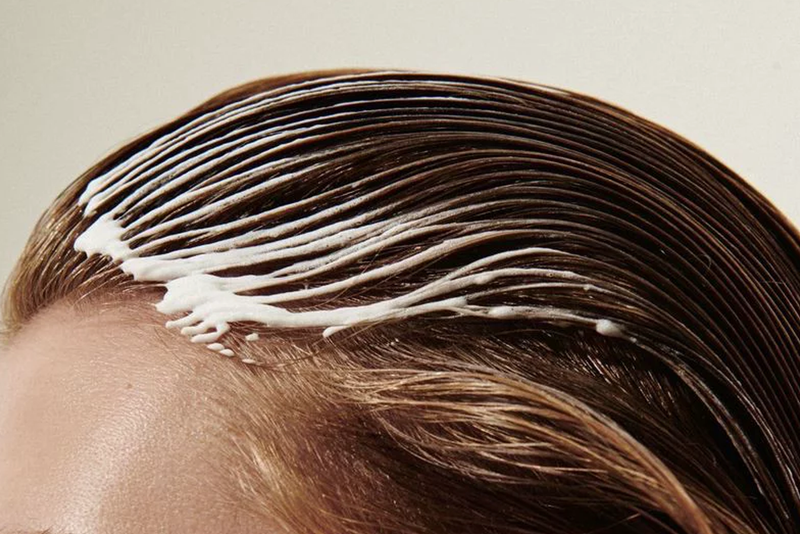
Focus shampoo on your scalp, not your ends.
This is the single biggest change you can make. Shampoo is designed to cleanse the scalp - that's where oil, product buildup and dead skin cells accumulate. Your lengths and ends don't need direct shampooing. The suds that rinse down through your hair are more than enough to keep them clean.
When you apply shampoo, work it into your scalp with your fingertips using gentle circular motions. Don't pile your hair on top of your head (this causes tangling and breakage). Let your hair hang naturally and let the lather travel down as you rinse.
Try a pre-shampoo oil treatment for extra protection.
If you wash frequently and your ends feel dry, a pre-shampoo oil is a simple fix. Apply a light oil to your mid-lengths and ends before you step into the shower. This creates a protective barrier that reduces moisture loss during cleansing and minimises friction while you wash.
It takes thirty seconds, and the difference to your ends over time is significant. Think of it as the haircare equivalent of putting on sunscreen before going outside - a small protective step that prevents cumulative damage.
Detangle before you wash, not during.
Wet hair stretches up to 30% more than dry hair, which makes it more prone to snapping. Gently brush or comb through your hair before getting in the shower. A wide-tooth comb or a dedicated detangling brush works best. This means less friction and less breakage during the wash itself.
Be thoughtful about heat styling.
Frequent washing often means frequent heat styling, and that's where real damage can accumulate.
When you use heat, always use a heat protectant. This isn't optional - it's the difference between heat styling that your hair can handle long-term and heat styling that gradually degrades the hair fibre.
The bottom line
How often you should wash your hair depends on your hair, your scalp, and your life - not on a rule someone else made up.
If your hair looks and feels best freshly washed, lean into that. A clean scalp is a healthy scalp, and healthy hair starts at the root.
Just be smart about how you wash: focus the shampoo on your scalp, protect your lengths, and save the heavy handling for when your hair is dry.
Your hair knows what it needs. Trust it.
The FINNE Volumising Duo was designed for women who wash regularly and want hair that stays light, full and fresh all day. No heaviness, no crunch - just hair that works with you.